A round-up of recent research articles in line with GARC's mission
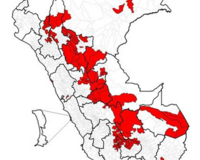
Dozens of potential exposures to rabies were reported in Peru's Cusco region, but of the 85 suspected of having contact with rabid bats, only three clinical cases have been confirmed at the time of this report. Of these three cases, two victims still survive.
February is National Spay/Neuter Awareness Month in the US, and February 28th is World Spay Day this year.
Tamil Nadu, a state in Southern India with a population of 77.9 million people, could improve upon its current rabies control strategy and reduce its human rabies deaths by 90% if it embraced the One Health concept that links the health of animals to the heath of humans more fully.
Interactive, illustrated educational booklet to prevent dog bites and improve children's interactions with animals.
GARC/Netcare/WHO
Interactive, illustrated educational booklet to prevent dog bites and improve children's interactions with animals. Translation courtesy of Animal Diseases Awareness Campaign.
The annual Rabies in the Americas (RITA) conference was held on October 23-28th in Belem, Brazil in the heart (and the heat!) of the Amazon region and brought together veterinarians, public health officials, academics and students to present and discuss the latest research on rabies and how to control and prevent its spread in domestic animals and wildlife in the Americas.
A recent article by Mani et al. discusses a new trend in India: within the last 6 years there have been six survivors of clinical rabies contracted from dogs. The authors attribute this upward trend in survival to increased access to conventional critical care facilities and more doctors trying to save rabies patients.